Ask ten Scottish web designers what a website costs and you’ll get ten different answers, most of them some version of “it depends.” That’s technically true and completely useless if you’re a business owner trying to work out whether to budget £1,000 or £15,000.
So here are the actual numbers. This is what websites cost in Scotland in 2026, what changes the price, what you’re really paying for at each level, and the ongoing costs that almost never appear in the initial quote.
The Short Answer
For a professionally built business website in Scotland in 2026:
- Single-page or micro site: £800 – £1,800
- Standard small business website (5–10 pages): £2,000 – £5,000
- Larger or more complex business website: £5,000 – £12,000
- Ecommerce store: £8,000 – £25,000+
- Ongoing hosting, updates and support: £50 – £200 per month
Most Scottish small businesses land in the £2,000 – £5,000 range. If your budget is under £1,000 you’re looking at a template build or a DIY platform, and that’s a legitimate choice in some situations — we cover when below.
One thing to check on every quote you receive: is it plus VAT? A £4,000 quote from a VAT-registered studio is £4,800 out of your bank account. Freelancers under the threshold won’t charge it. That single line has caused more awkward invoice conversations than anything else in this industry.
What Actually Drives the Price
The reason nobody publishes fixed prices is that “a website” describes a business card and a national retailer’s storefront equally well. Seven things move the number:
Page count and content structure. Ten pages costs more than five, but not double — the design system is the expensive part, and pages nine and ten reuse it. Where cost really climbs is when every page needs a genuinely different layout.
Whether the content exists. This is the single most underestimated cost. If you hand over finished copy and decent photography, you save real money. If someone has to write your service pages and source imagery, add £500 – £2,500. Most projects that run over budget do so here, not in the design.
Custom design versus template. A template is bought and adapted. A custom design is drawn around your business, your services and your customers’ actual objections. The difference in cost is roughly 2–3x. The difference in results is usually much larger than that, but not always — a template well applied beats a bad custom design every time.
Functionality. Contact form: included. Booking system tied to your calendar, member area, quote calculator, CRM integration, multi-step enquiry flows: each of these is real development time. Budget £500 – £3,000 per significant feature.
Integrations. Connecting to Xero, a booking platform, a stock system or an existing database costs more than most people expect, because the other end of the integration is rarely as tidy as its documentation claims.
Ecommerce. Selling online changes the project category entirely. Product data, variants, shipping rules, tax, payment gateways, and a checkout that actually converts — see Shopify vs WooCommerce for how that decision affects both build and running costs.
SEO and performance work. A site that’s fast, technically clean and structured for search costs more up front than one that just looks fine. It’s also the part that determines whether the site earns anything back.
What You Get At Each Price Point
Under £1,000 — DIY and template territory
At this level you’re buying a Squarespace, Wix or Shopify subscription plus a template and doing the work yourself, or you’re paying someone a few hundred pounds to drop your logo and text into a pre-built theme.
This is genuinely fine if you need a digital business card, you’re testing whether a business idea has legs, or the website isn’t how customers find or judge you. It’s a poor choice if your competitors look professional and you’re trying to win work against them.
Be honest about the hidden cost: 30–80 hours of your time. At £50 an hour, that “free” website cost you between £1,500 and £4,000 in time you could have spent earning.
£2,000 – £5,000 — the standard Scottish small business website
This is where most sole traders, trades, clinics, consultancies, cafés and small agencies sit, and it’s the range where a website starts doing real work.
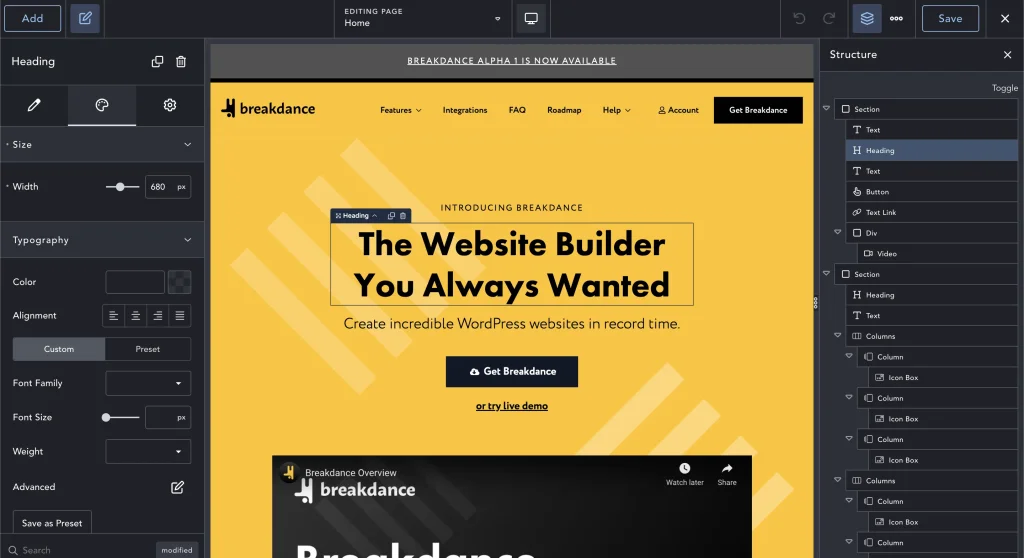
For that you should expect: a custom design built around your business rather than a purchased theme, five to ten well-structured pages, mobile-first layout, a proper enquiry flow, on-page SEO foundations, decent page speed, and a content management system you can actually update yourself. Usually built on WordPress with Elementor or a similar modern builder.
What you shouldn’t expect at this level: bespoke functionality, complex integrations, or a full copywriting and photography package.
If a quote in this bracket comes back describing a template install, ask what specifically is being designed rather than assembled.
£5,000 – £12,000 — larger sites and sites that have to perform
You’re in this range when the website carries genuine commercial weight: a multi-location business, a large service catalogue, a site that needs to rank against well-funded competitors, or one where a percentage point of conversion rate is worth thousands.
The extra money buys strategy before design, deeper user experience work, custom functionality, meaningful conversion-focused design, thorough technical SEO, and often a static-first build like Astro where speed is a competitive advantage rather than a nice-to-have.
£8,000 – £25,000+ — ecommerce
Online stores cost more because there’s simply more of everything: product data, categories, filtering, variants, shipping zones, payment, tax, abandoned cart flows, order management, and a checkout that’s been thought about rather than accepted as-is.
A small catalogue on a well-configured platform can start around £8,000. A large or unusual catalogue with integrations into stock and accounting systems runs well past £25,000. Our ecommerce work mostly sits in the lower half of that, because most Scottish retailers don’t need enterprise complexity — they need a store that loads fast and doesn’t lose people at checkout.
Freelancer, Studio or Agency?
Roughly what you’ll pay in Scotland in 2026:
- Freelancer: £25 – £60 per hour, or £1,500 – £4,000 for a small business site. Cheapest option, and often excellent — but you’re one holiday or one busy month away from waiting.
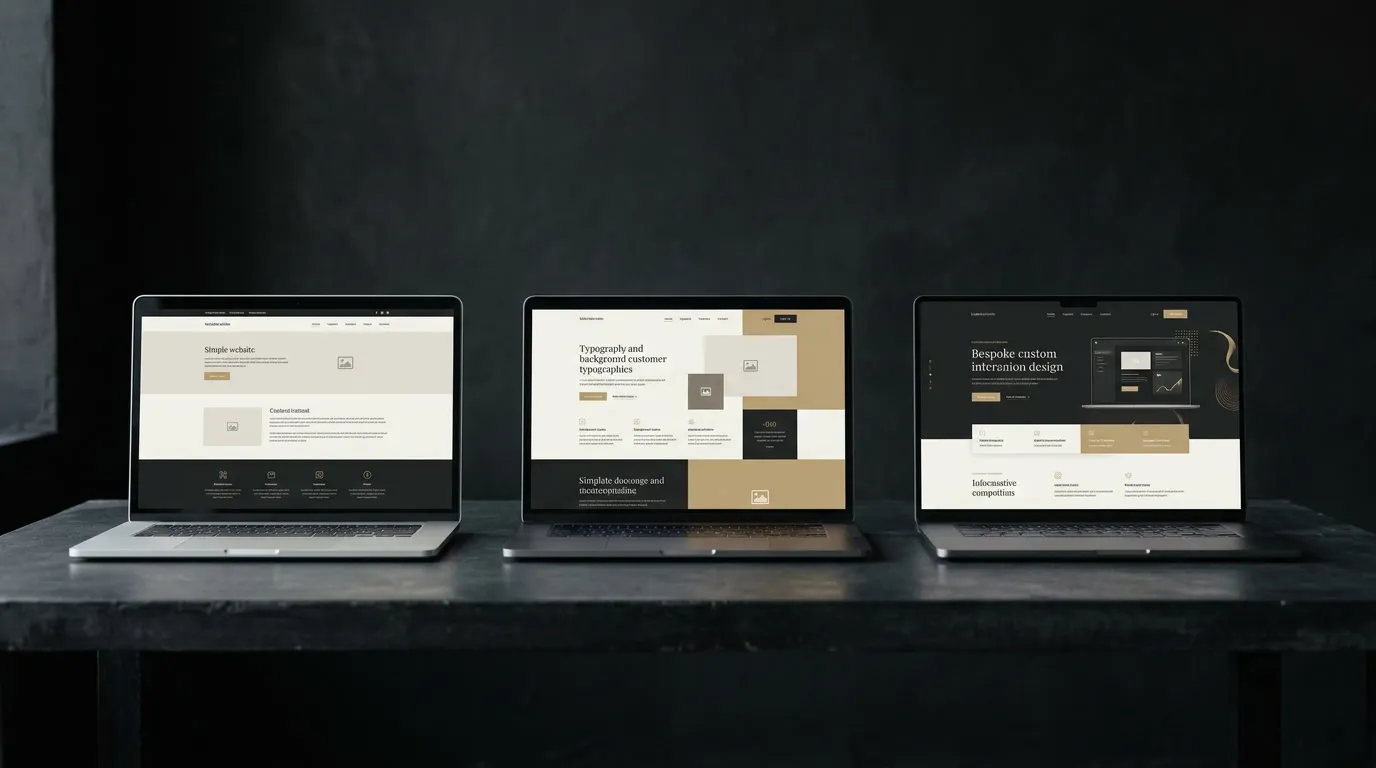
- Small studio or solo practice: £45 – £85 per hour, £2,000 – £8,000 typical project. You deal directly with the person building it, which removes an entire layer of translation loss.
- Full agency: £80 – £150 per hour, £8,000 – £30,000+ typical project. Bigger teams, formal process, account management. Worth it for large or multi-stakeholder projects; expensive for a ten-page site, because you’re funding the account manager, the project manager and the office.
The middle option exists because a lot of businesses want agency-grade output without paying agency overheads. That’s the whole reason Fractal Studio operates the way it does — direct contact, no middlemen — and it’s why our pricing sits below what a Glasgow or Edinburgh agency would quote for comparable work.
Does Where You Are In Scotland Change the Price?
A little, but less than people assume.
Studios in Edinburgh and central Glasgow typically quote 15–30% higher than the rest of Scotland — city centre overheads have to be paid by someone. Aberdeen rates historically tracked oil and gas money and remain on the higher side. Stirling, Perth, Dundee, Inverness, the Borders and the Highlands generally come in lower, without a corresponding drop in quality — the work is remote-friendly and always has been.
Compare that to London, where £8,000 – £15,000 is an ordinary small business website budget, and the arithmetic for a Scottish business is straightforward.
The more useful question isn’t where the designer is, it’s whether they understand your market. If you’re a Stirling business looking for a web designer chasing local trade, someone who understands how people actually search in central Scotland is worth more than someone with a fashionable postcode. We work with clients across the country and see the same pattern everywhere: proximity matters less than understanding.
The Ongoing Costs Nobody Puts In the Quote
The build price is not the total cost. Budget annually for:
- Domain name: £10 – £20 per year (a .scot or .co.uk sits in this range)
- Hosting: £60 – £400 per year depending on traffic and whether it’s shared or managed
- SSL certificate: usually free and included — if someone is charging you £100 a year for one, ask why
- Premium plugins and licences: £100 – £400 per year for things like Elementor Pro, form handling, security or backup tools
- Maintenance and updates: £600 – £2,400 per year
- SEO and content: £300 – £1,500 per month if you’re actively competing for search traffic
That maintenance line is the one businesses skip and later regret. WordPress sites that go untouched for a year are the most common way a small business site gets hacked, breaks after a PHP update, or quietly stops sending enquiry emails without anyone noticing for six weeks. We wrote about why maintenance matters after cleaning up one too many of these — and it’s why website management is a service here rather than an afterthought.
Realistic total cost of ownership for a £3,500 small business site: around £4,500 in year one, then £700 – £1,500 a year after that.
Red Flags In a Quote
The £499 website. Someone is either using a template with your logo pasted on, outsourcing to a content mill, or planning to make the money back on hosting you can’t leave. Occasionally it’s a genuine beginner building a portfolio, which can work out well — but ask directly which it is.
“Free website, just £99 a month.” This is a lease, not a gift. Over three years that’s £3,564 for a site you never own, on hosting you can’t move, and the moment you stop paying it disappears. Read the contract length before you sign anything structured this way.
Per-page pricing with no design discussion. Pricing by the page usually means the pages are being filled rather than designed.
No mention of who owns the finished site. You should own your domain, your content, your hosting account and the site files. Ask the question in writing before any money changes hands. If the answer is vague, walk.
A quote with no questions attached. If a designer can price your website without asking what your business does, who buys from you, or what you want the site to achieve, they’re quoting for a shape rather than a solution. Our guide to choosing a web design company goes deeper on this.
Wildly cheap plus a rush timeline. Good work takes weeks. Anyone promising a bespoke site in three days is describing a template.
Funding Help for Scottish Businesses
Before you finalise a budget, spend ten minutes checking what support is currently available. Business Gateway’s DigitalBoost programme has offered free digital workshops and one-to-one advice to Scottish businesses for years, and grant funding for digital projects has appeared and disappeared depending on the year and the local authority.
Availability genuinely changes, so check with your local Business Gateway office rather than relying on a blog post — including this one. Some local authorities and regional growth funds also run their own digital grants that never get advertised widely.
How to Set a Sensible Budget
A rule of thumb that holds up well: your website should cost roughly what one to three of your average sales are worth.
If your average client is worth £500, a £2,000 – £3,000 site needs to bring in four to six extra clients over several years to pay for itself. That’s a low bar. If your average project is worth £10,000, spending £3,000 on the website that wins them is not the place to economise.
Work out what one additional customer per month would be worth to you over a year, then compare that to the quote. The decision usually becomes obvious.
And if the honest answer is that the budget isn’t there yet, that’s fine — start with a DIY site, prove the business works, and upgrade when the revenue justifies it. We say the same thing in our guide on when to actually hire a web designer.

What We Charge
For transparency, since this whole article argues for it:
- Small business website (5–10 pages, custom design): from £2,000
- Larger business site with custom functionality: £5,000 – £12,000
- Ecommerce: from £8,000
- Website management and support: from £50 per month
Every project gets a fixed quote after a proper conversation about your business — no hourly surprises, no per-page maths, and you own everything at the end of it.
Frequently Asked Questions
How much does a small business website cost in Scotland? Typically £2,000 – £5,000 for a professionally designed 5–10 page site, plus £50 – £200 a month for hosting, updates and support.
Is it cheaper to use Wix or Squarespace? Cheaper up front, yes — around £150 – £480 a year. But you’re trading design quality, search performance and flexibility, and you’re paying with 30–80 hours of your own time. For a temporary or very simple site that’s a reasonable trade. For a site that has to win business, it usually isn’t.
How long does a website take to build? Four to eight weeks for a standard small business site, longer for ecommerce. The main variable is how quickly content and feedback come back from your side, not the build itself.
Why is one quote £900 and another £6,000 for the same brief? Because they’re not the same website. One is a template with your details in it; the other is designed, written, structured for search and built to load fast. Ask both to explain exactly what happens in week one and the difference becomes clear immediately.
Do I have to pay it all up front? No reputable designer asks for 100% up front. A deposit of 30–50% to start, with the balance on completion, is standard in Scotland.
Will a more expensive website actually make more money? Not automatically. A more expensive website built around a clear strategy usually does, because conversion rate and page speed compound over every visitor for years. Money spent on decoration alone doesn’t.
Getting a Real Number for Your Project
Price ranges only get you so far. The useful number comes from a conversation about what your business actually needs — which is free, takes about twenty minutes, and doesn’t commit you to anything.
Have a look at our portfolio to see what these budgets produce in practice, then get in touch with a rough idea of what you’re after. You’ll get a straight answer and a fixed price, not a discovery call that turns into a sales sequence.