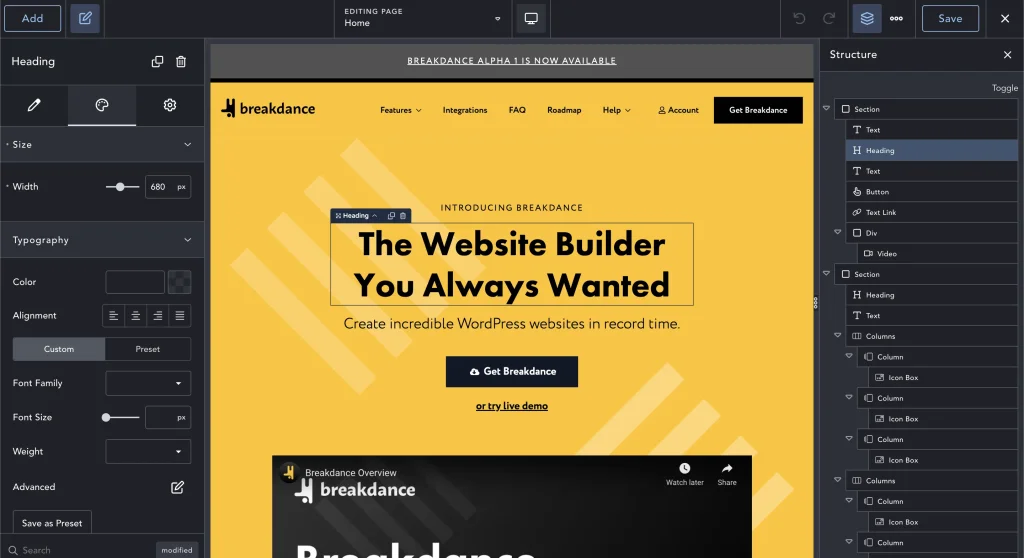
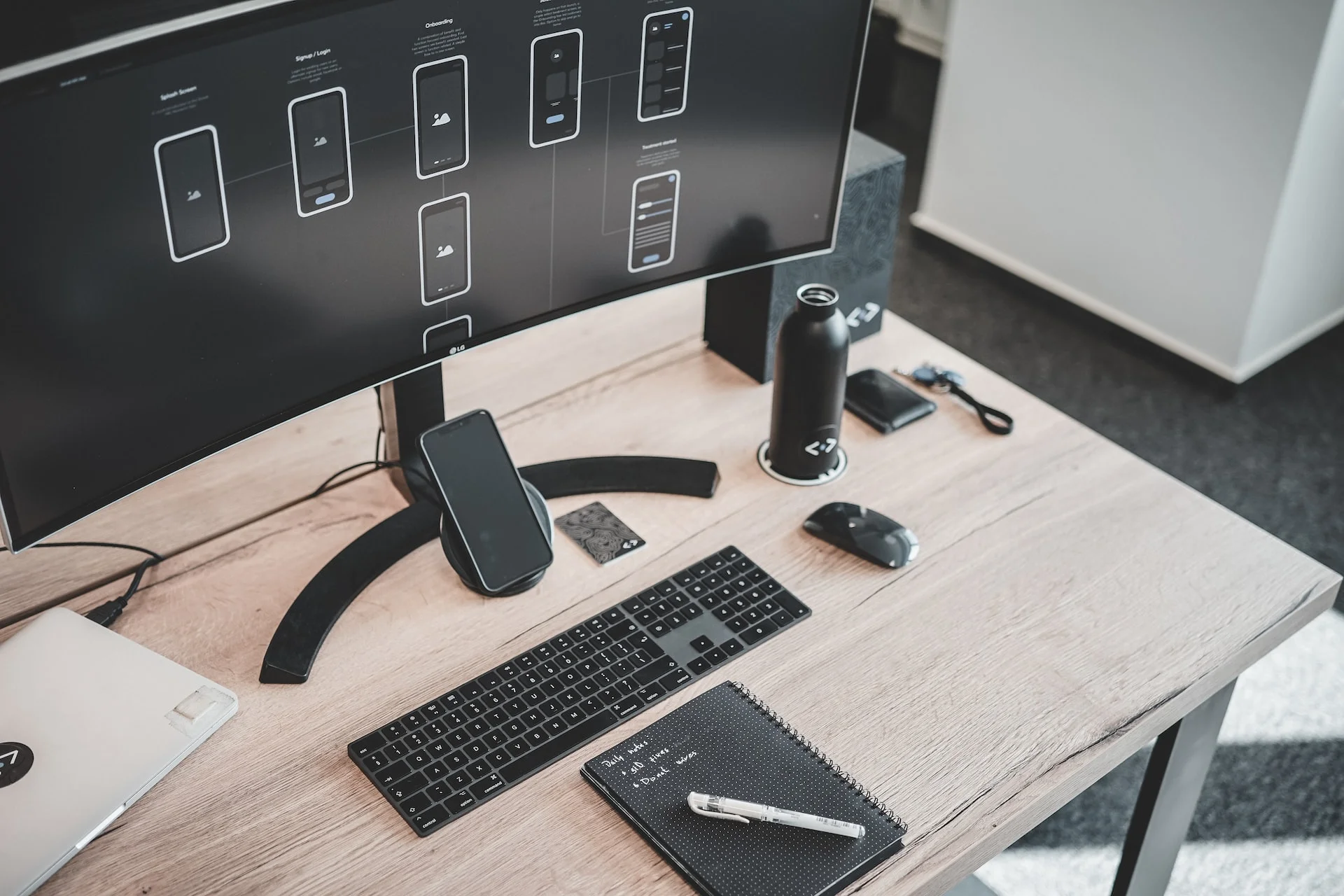
“Do I really need to hire a web designer, or can I just use Wix?” It’s a fair question, and one we hear constantly at Fractal Studio. With tools like Squarespace, Wix, and even AI website builders claiming you can create a professional website in an afternoon, it’s natural to wonder whether hiring a web designer is worth the investment in 2026. Here’s the honest answer: sometimes DIY is absolutely fine, and sometimes it’s a costly mistake. The key is knowing which situation you’re in. Let’s cut through the sales pitches and have a frank conversation about when you should hire a web designer, when you probably don’t need to, and what you’re actually paying for when you do. 
When DIY Website Builders Work Perfectly Fine
Let’s start with honesty: you don’t always need to hire a web designer. Here are scenarios where DIY tools can work well: Simple Online Presence If you just need a digital business card, a few pages with your contact details, opening hours, and basic services, a template from Squarespace or Wix will do the job. A local tradesperson, a solo consultant starting out, or a community group often falls into this category. Very Limited Budget (For Now) If you’re bootstrapping and genuinely can’t afford £2,000-£5,000 for professional design, a DIY solution is better than no website at all. Just understand it’s a temporary solution, not a long-term strategy. Testing a Business Idea Validating whether there’s market demand for your new product or service? A quick DIY landing page can help you test without major investment. Once you’ve proven the concept, then invest in proper design. You Have Design Skills If you’re actually competent with design principles, user experience, and basic coding, you might create something decent with DIY tools. But be honest with yourself, most business owners overestimate their design abilities. The common thread? These are situations where the website isn’t critical to business success, or where it’s explicitly temporary.
When You Should Definitely Hire a Web Designer
Now for the situations where DIY becomes a false economy, where saving a few thousand pounds upfront costs you tens of thousands in lost business: Your Website Needs to Convert Visitors into Customers If your website isn’t just informational but needs to actually generate leads, bookings, or sales, professional design becomes essential. The difference between a 2% conversion rate and a 5% conversion rate is enormous, and professional designers know how to achieve those numbers. At Fractal Studio, we’ve seen businesses double their enquiry rates simply by redesigning navigation, restructuring content hierarchy, and optimising calls-to-action. That’s not something you can easily replicate with a template. You’re in a Competitive Industry If your competitors have professional websites and you show up with a generic Wix template, you’ve immediately signalled that you’re less established, less professional, and less trustworthy than they are. In competitive markets like professional services, property, hospitality, or retail, your website is a competitive advantage, or a competitive disadvantage. You Need Sophisticated Functionality Want appointment booking integrated with your calendar? Complex product configurations? Multi-step forms? Member areas? Custom calculators or tools? DIY builders hit their limits quickly. You’ll either compromise on functionality or spend hundreds on third-party plugins that never quite work together properly. 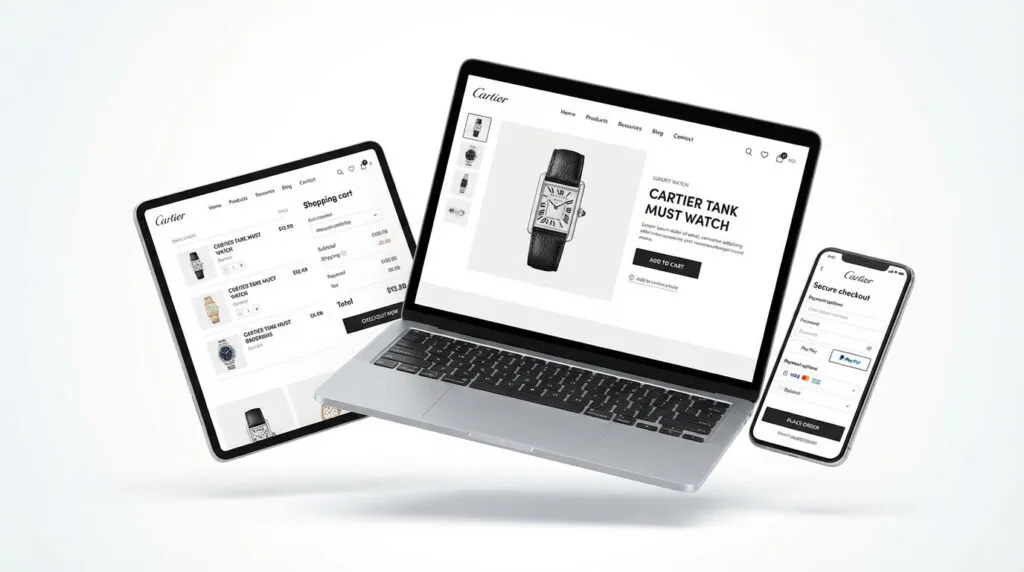 When you hire a web designer who specialises in WordPress, you get custom solutions built specifically for your business processes. Your Brand Positioning Matters If you’re positioning yourself as premium, exclusive, or industry-leading, a template website immediately contradicts that message. Your visual identity needs to reflect your brand positioning, and templates, by definition, are used by hundreds of other businesses. You’re Running an Ecommerce Business DIY ecommerce platforms like Shopify have their place, but if you’re serious about online sales, the limitations become frustrating quickly. Professional ecommerce website design gives you control over customer experience, checkout flows, product displays, and integration with your business systems. You Need to Rank Well in Search Engines Google’s algorithms in 2026 are sophisticated. Page speed, Core Web Vitals, mobile responsiveness, semantic HTML, accessibility, DIY builders often produce bloated code that hurts your search rankings. If organic traffic matters to your business, professional SEO and web design work hand-in-hand. You Don’t Have Time to Learn Web Design Building a website properly takes dozens of hours, hours most business owners should spend on their actual business. If your time is worth £50-£100+ per hour, spending 40 hours learning website builders isn’t economical. You’re not saving money; you’re just paying yourself a lower wage to do work you’re not trained for.
What You’re Actually Paying For When You Hire a Web Designer
Let’s demystify what professional web design actually involves, because it’s often misunderstood: Strategic Thinking Before Any Design Happens Professional designers don’t start with colours and fonts. We start with questions: Who are your customers? What objections do they have? What action do you want them to take? What differentiates you from competitors? At Fractal Studio, our discovery process often reveals that what clients think they need is quite different from what will actually drive results. That strategic insight is worth the investment alone. User Experience Architecture Information architecture, navigation design, user flow mapping, these aren’t afterthoughts. Professional designers structure websites based on how real people actually think and behave, not how business owners wish they’d behave. Conversion Optimisation Every element, button placement, colour psychology, form design, trust signals, content hierarchy, is designed to guide visitors toward taking action. This isn’t decoration; it’s strategic design that directly impacts your bottom line. Learn more about high-converting web design. 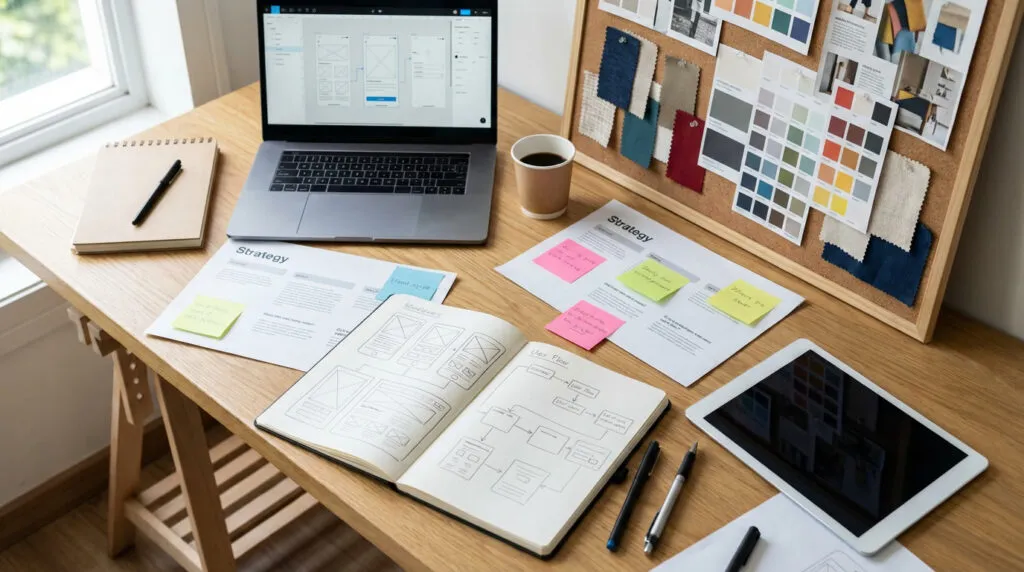 Technical Performance Fast loading speeds, mobile optimisation, browser compatibility, accessibility compliance, security best practices, these aren’t optional in 2026. Professional designers build websites that perform well technically, not just visually. Custom Functionality Whether you’re working with Elementor, Breakdance, or custom code, professional designers create functionality tailored to your specific business needs rather than forcing your business to adapt to template limitations. Scalability A properly designed website grows with your business. Adding new products, services, team members, or functionality shouldn’t require rebuilding from scratch. Professional design creates systems that scale. Ongoing Support and Partnership When something breaks (and eventually, something always does), you have an expert to call. When you want to add features, expand functionality, or adapt to market changes, you have a partner who understands your business and your website intimately.
The Real Cost of DIY vs Professional Design
Let’s talk numbers honestly, because cost is often the main factor in deciding whether to hire a web designer. DIY Website Builder Costs:
- Platform subscription: £10-£40/month (£120-£480/year)
- Premium template: £50-£200 one-time
- Premium plugins/apps: £200-£500/year
- Your time: 30-80 hours (worth £1,500-£8,000 if you value your time at £50/hour)
- Total first year: £1,870-£9,180
But here’s what that calculation misses: opportunity cost. How many potential customers does a mediocre website cost you? If better design would generate just one extra £2,000 project per month, that’s £24,000/year in additional revenue. Professional Web Design Costs:
- Simple business website: £2,000-£5,000
- Sophisticated business website: £5,000-£12,000
- Ecommerce platform: £8,000-£25,000+
- Ongoing support/maintenance: £50-£200/month
 Expensive? Yes. But consider:
- Higher conversion rates (often 2-5x improvement)
- Better search rankings (more organic traffic)
- Stronger brand perception (customers trust you more)
- Time saved (you focus on your business)
- Scalability (website grows with your business)
For most established businesses, professional design pays for itself within 6-12 months through improved conversion rates alone.
The Middle Ground: When to Start DIY and Upgrade Later
Here’s a sensible approach for many small businesses: Phase 1: DIY Validation (Months 1-6) Use a DIY builder to validate your business concept and generate initial revenue. Focus on getting customers, not perfecting design. Phase 2: Professional Upgrade (Months 6-12) Once you’ve proven there’s demand and you’re generating revenue, invest in professional design. You now have better clarity on what you need, who your customers are, and what functionality matters. Phase 3: Continuous Optimisation (Ongoing) Work with your designer to continuously improve based on real user data and business growth. This approach balances financial prudence with long-term thinking. You’re not throwing money at a website before you’ve proven your business model, but you’re also not permanently handicapping your growth with inadequate design.
How to Choose the Right Web Designer
If you’ve decided to hire a web designer, here’s what to look for: Relevant Portfolio Work Don’t just look for pretty designs, look for designs in your industry or for businesses with similar goals. Can they show you conversion data or business results, not just aesthetics? Check out our portfolio to see diverse examples of our work. Strategic Process Do they start by asking about your business goals and target audience, or do they jump straight to asking about colour preferences? The former indicates strategic thinking; the latter suggests they’re just decorating. Clear Communication Can they explain technical concepts in plain English? Will they be responsive when you need support? Communication matters as much as design skill. Realistic About Timelines and Costs Be wary of designers who promise everything immediately for £500. Quality work takes time and costs appropriately. Equally, be suspicious of agencies quoting £50,000 for a simple business website. Location Considerations While remote work is common, there are advantages to working with local designers who understand your market. If you’re in Scotland, we offer web design in Edinburgh, Glasgow, and Stirling.  Technical Expertise What platforms and tools do they specialise in? At Fractal Studio, we work primarily with WordPress, the most flexible and scalable platform, using modern builders like Elementor, Breakdance, and custom development when needed. Ongoing Support Options What happens after launch? Do they offer maintenance packages? Will they help with updates and growth? A website isn’t a one-time project; it’s an ongoing asset that needs attention.
Red Flags When Hiring a Web Designer
Just as important as knowing what to look for is knowing what to avoid: They Guarantee #1 Google Rankings No legitimate designer can guarantee specific search rankings. Google’s algorithm is complex and constantly changing. Anyone promising guaranteed rankings is either lying or using dodgy tactics that will hurt you long-term. They Use Pressure Tactics “Special offer ends Friday!” or “We only have one slot left this month!” are sales tactics that professional designers don’t need to employ. Quality work speaks for itself. No Clear Contract or Scope Professional designers provide detailed contracts outlining deliverables, timelines, costs, and what happens if things change. Vague verbal agreements lead to disputes. They Don’t Ask About Your Business If a designer can quote you without understanding your business goals, target audience, or competitive landscape, they’re planning to give you a template with your logo on it. Their Own Website is Poor This seems obvious, but if a web designer’s own site is slow, confusing, or looks dated, why would their work for you be any different? They Disparage DIY Tools or Competitors Professional designers acknowledge that different solutions work for different situations. If they’re aggressively dismissive of DIY builders or competitors, that’s insecurity, not confidence.
The 2026 Reality: AI and Web Design
You might be wondering: with AI tools now able to generate website designs, should you even hire a web designer in 2026? We wrote extensively about how AI is changing WordPress design, but here’s the summary: AI is a tool that makes designers more efficient, not a replacement for strategic thinking and business understanding.  AI can generate layout variations quickly. AI can suggest colour palettes. AI can even write basic copy. But AI can’t:
- Understand your competitive positioning
- Interview your customers to learn their objections
- Make strategic decisions about information architecture
- Optimise for conversion based on human psychology
- Build relationships and provide ongoing strategic partnership
The best web design in 2026 combines AI tools (for efficiency) with human expertise (for strategy, creativity, and business insight). Designers who aren’t using AI are behind the times; AI tools without human guidance produce generic results.
Questions to Ask Yourself Before You Decide
Still not sure whether to DIY or hire a web designer? Ask yourself these questions:
- How critical is this website to my business success? If it’s essential for generating revenue, hire professionally.
- What’s my time worth? Calculate hours needed × your hourly rate. Often professional design is actually cheaper.
- Am I prepared to continuously improve this website? DIY means you’re responsible for all updates, improvements, and problem-solving.
- Can I objectively evaluate my own design work? Most people overestimate their abilities. Would you trust yourself to design your competitor’s website?
- Do I have the technical skills to handle problems when they arise? Websites break. Plugins conflict. Hosting issues emerge. Are you equipped to handle these?
- Is my website a competitive advantage or just a checkbox? If it’s meant to differentiate you, DIY rarely achieves that.
Your honest answers to these questions should make the right choice clear.
What Makes Fractal Studio Different
If you’re considering working with us, here’s what makes our approach different: Honest Advice First We’ve literally written this article telling you when you don’t need to hire a web designer. That’s because we’re interested in long-term relationships, not quick sales. If DIY makes sense for your situation, we’ll tell you. Strategy-Led Design We don’t start with aesthetics; we start with your business goals. Every design decision is driven by strategy, not trends or personal preferences. Focus on Results Pretty websites that don’t convert are failures. We measure success by business results: more enquiries, higher conversion rates, increased revenue. Modern Technology We use cutting-edge tools and platforms, including AI assistance where it makes sense, to deliver better websites more efficiently. But technology serves strategy, not the other way round. Partnership Approach We’re not order-takers who build what you ask for. We’re strategic partners who help you figure out what you actually need, even when that’s different from what you initially thought. Transparent Process You’ll always know what we’re doing, why we’re doing it, and what it costs. No surprise fees, no hidden charges, no vague timelines.
Ready to Have a Conversation?
Whether you’re certain you need professional web design, still weighing your options, or just want honest advice about your specific situation, we’re happy to chat. Get in touch for a free consultation where we’ll discuss your business goals, explore what’s actually needed, and provide straightforward recommendations, even if that means suggesting you start with DIY and come back to us later. Because that’s how professional web designers operate: we’re interested in your success, not just our next project. And that difference matters more than any design trend or technical feature ever could.
Related Resources
Want to learn more about web design and making the right choices for your business?
- What’s Actually Changed for WordPress Designers Since AI Arrived
- WordPress for Small Business Websites
- High Converting Web Design: What Actually Works
- Our Web Design Portfolio
Have questions we didn’t cover? Drop us a message, we’re always happy to help, even if you’re not ready to hire a designer yet.